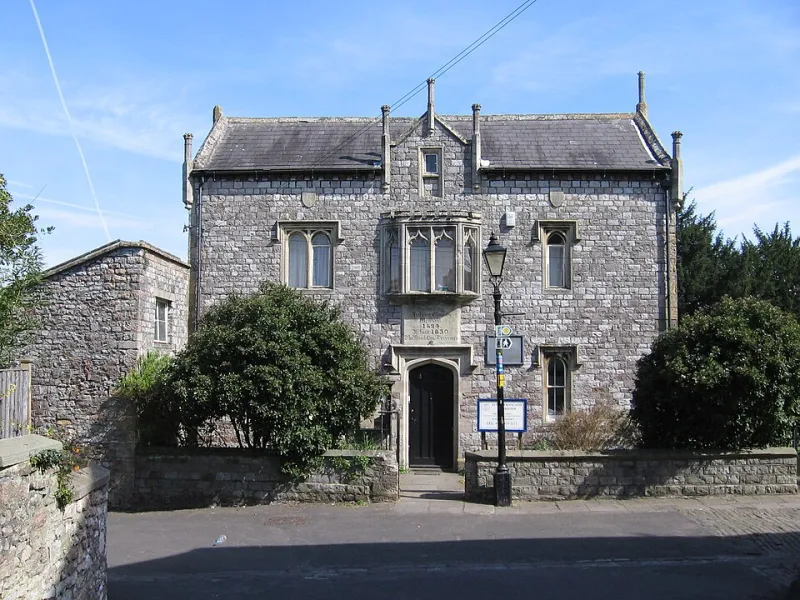
What the Hall Already Knows: Building a Show From a Piano, a Photograph and a Caretaker's Keys
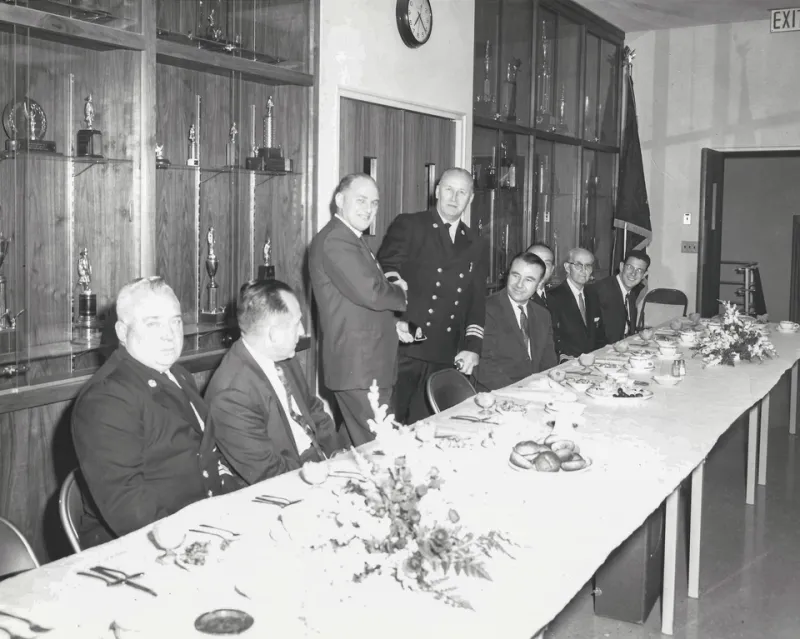
Photo: Unknown authorUnknown author, Public domain, via Wikimedia Commons
The photograph above the piano
In one village hall I worked in, there is a photograph above the piano. It is black and white, curling at one corner, and it shows a long table of people at what looks like a harvest supper. The caretaker told me it was his auntie second from left. He said it without ceremony, the way you say the weather. Then he went to check the boiler.
That photograph became the starting point for a show. Not because it was beautiful, though it is. Not because it was old, though it is. Because it was already part of the room. The hall was not an empty box waiting for my ideas. It had a piano, a photograph, a caretaker with a story, and a hundred small habits that I did not know about.
Research without making a museum
When you make work for a specific place, there is a temptation to turn the building into a museum. You gather facts. You make labels. You explain everything. The show becomes a guided tour with a soundtrack.
I try to do the opposite. I talk to people, but I do not treat them as research subjects. I ask the booking secretary what the room is like on a Tuesday morning. I ask the cleaner which corner gets the most dust. I ask the caretaker which door sticks. I look at the noticeboard: a bring-and-buy sale, a yoga class, a defibrillator notice, a number for the parish council. I look at the stage and the hatch and the kitchen. I notice where the light falls at four in the afternoon.
Then I ask permission. If I want to use a photograph, I ask. If I want to quote someone, I ask. If I want to project an image onto the wall, I ask. A building may belong to a committee, but the stories inside it belong to people.
The caretaker's keys
The caretaker is often the person who knows the building best. They know which radiator clanks, which window sticks, where the fuse box is, and how many chairs fit around a table if you really squeeze. They also know the stories. Not the official history, but the useful history: the wedding that went on until two, the Christmas do where the power cut, the time the stage collapsed.
I have learned to invite that knowledge in. Not as a token. As part of the work. If the caretaker tells you the piano is out of tune in a particular way, that is not a problem to be solved. It is a detail you can use. If they tell you the hall smells of floor polish and old hops, that is a sensory fact. It belongs in the show.
What belongs to the hall
A place-specific show should not just decorate a room. It should respond to it. That might mean using the piano instead of bringing in a keyboard. It might mean letting the audience sit where the regulars sit. It might mean leaving the hatch open so the kitchen is part of the performance. It might mean admitting that the hall is cold and asking people to bring a jumper.
The question I ask myself is: could this show happen anywhere else? If the answer is yes, I have not gone far enough. The show should have a bit of the hall in it. Not as a label, but as a condition.
The museum-label problem
There is a fine line between specificity and explanation. If I caption every photograph and explain every reference, the audience becomes a tourist. They are being told what to feel. The room becomes a display case.
I would rather leave a little unexplained. The photograph above the piano does not need a paragraph underneath it. Some people will know the people in it. Some will not. Both are fine. The show can hold that. The local reference can be a texture, not a test.
Belonging changes the work
When a show belongs to a hall, success is measured differently. It is not just ticket sales or applause. It is whether the caretaker recognises the room when the show is over. It is whether someone says, that is my auntie. It is whether the chairs go back where they belong and the floor is swept.
It also changes what I make. I am less interested in importing a finished idea. I am more interested in what the building already knows. The photograph above the piano was not my story. But for one night, it was part of the show. And that felt more honest than anything I could have invented.