Pinned at the Top: A Scruffy WhatsApp Thread and the Trust That Held the Night Together
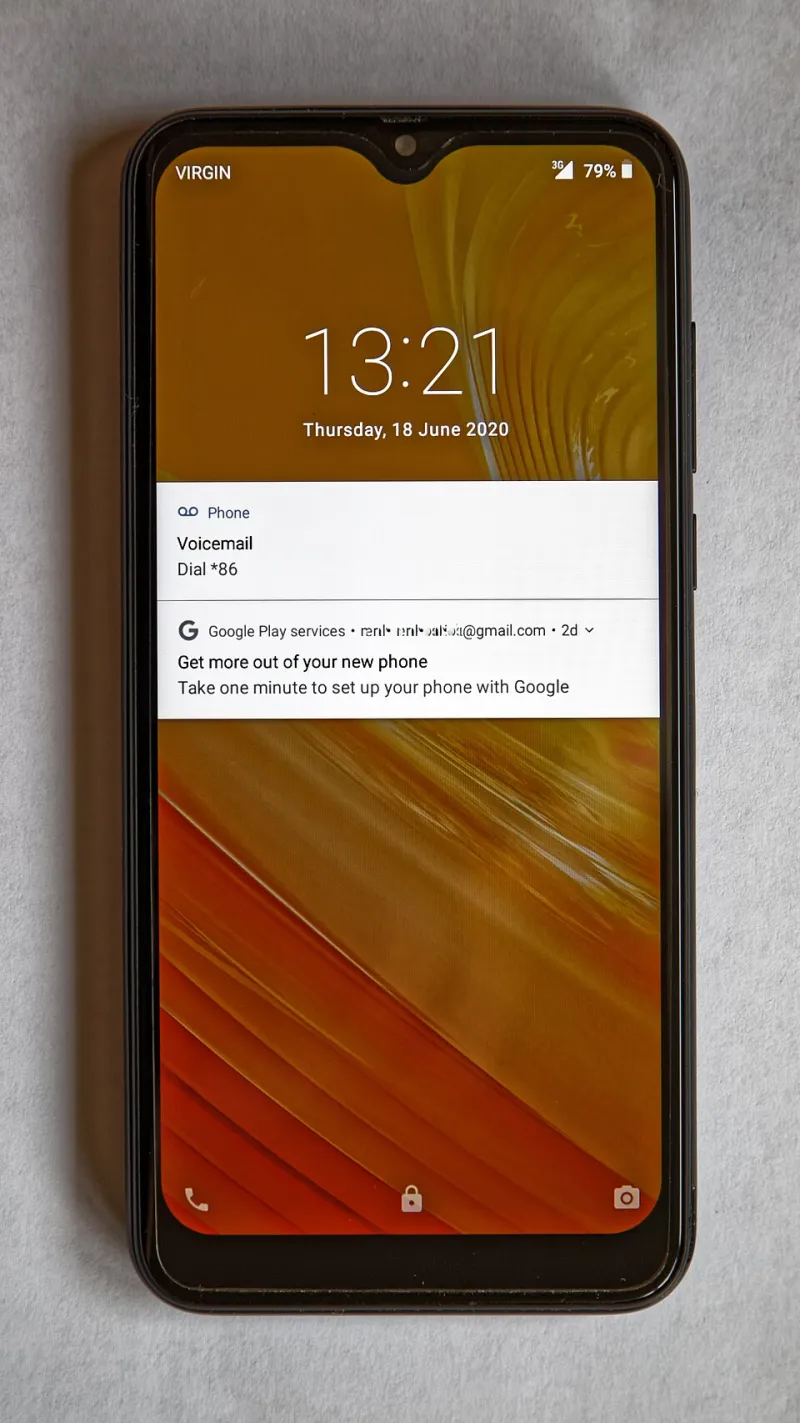
Photo: Acabashi, CC BY-SA 4.0, via Wikimedia Commons
On Sunday morning, my phone was face-down on the kitchen table, still warm from charging, with forty-three unread messages in a thread called SATURDAY!!!. That is three exclamation marks, which tells you a lot about the people in it and nothing at all about how organised we were. We had just finished a small community performance in a village hall that smelled faintly of floor polish and someone’s packed lunch. The show had gone well. Nobody had fallen off the makeshift stage. The borrowed lamp had survived. And the thing that had held the whole day together was not a spreadsheet, a production bible or a beautifully colour-coded schedule. It was that messy little group chat.
I have been thinking about it since, because collaboration gets talked about as if it needs a system. Something with columns. A platform. A place where everyone can see everything and nobody ever loses a file. And those things are useful, genuinely. But for a lot of small creative projects, the real infrastructure is much more ordinary. It is a WhatsApp thread with a pinned message about who has the key, a voice note from someone in a car park explaining why they are running late, and a thumbs-up that means I have seen this and I am not ignoring you.
The thread with the terrible name
We called it SATURDAY!!! because someone created it in a hurry and nobody could be bothered to change it. It became a running joke. Every time a new person joined, they would ask whether the name was permanent. It was. Changing it felt like bad luck, and also like effort. That is the level we were operating at.
But the thread did something important: it kept the show in the corner of everyone’s phone without demanding that anyone open a laptop. For a group made up of people with day jobs, childcare, caring responsibilities and at least one person who was recovering from a chest infection, that mattered. Nobody had to log in. Nobody had to remember a password. They just had to glance at the screen while the kettle boiled.
That is not the same as being disorganised. It is closer to being realistic.
Pinned messages are not admin, they are reassurance
We had three pinned messages by the end. One listed the timings for the day, badly formatted but accurate. One said who had the hall key and where the spare was, which is the single most important piece of information in community theatre. And one was a list of lifts, because the 5:42 bus does not care about your artistic vision.
Pinned messages are not glamorous. They are not a creative statement. But they do something quietly powerful: they reduce the number of small panics. If you are standing in a car park wondering whether you have missed the sound check, you do not want to scroll through ninety messages about a missing prop. You want the answer at the top. You want to feel that someone has thought about the practical shape of the day, even if that someone is typing with one thumb while eating toast.
What I like about pinned messages is that they are honest. They say: we know people are busy. We know nobody is reading every message. Here is the bit you actually need. That is a form of care.
Voice notes do something text cannot
There is a particular kind of voice note that only exists in community projects. It is recorded in a car, or a supermarket queue, or a kitchen with a washing machine going in the background. It starts with sorry, I know this is a lot, and ends with anyway, let me know. It is not polished. It is not efficient. But it carries tone in a way that text often misses.
We had one from someone who was nervous about their part. In text, it might have read as a complaint. In a voice note, it sounded like someone asking for a small adjustment without wanting to make a fuss. We made the adjustment. It took four minutes. The show was better for it.
Text is good for facts. Voice notes are good for the stuff underneath the facts. A group chat that can hold both is a group chat that is doing its job.
The awkward message is part of the kit
Here is the bit people leave out. A low-effort group chat only works if someone is willing to send the awkward message. Not the rude one. The awkward one. The one that says: I cannot do the thing I said I would do. The one that asks: can someone else take this over, and I am sorry to ask. The one that points out, gently, that the plan will not work unless we change it.
I sent one of those on the Thursday before the show. I had agreed to collect the tea urn and then realised, at about ten at night, that my car was making a noise I did not like. I typed out a message, deleted it, typed it again, and eventually sent it with a small apology at the start. Two people replied within minutes. One said they could pick it up. The other said they had forgotten about the tea urn entirely and was glad I had mentioned it.
That is the whole thing, really. The awkward message is only awkward for about thirty seconds. After that, it becomes information. And information is what a group chat is for.
Low effort, high trust
I do not want to pretend that a WhatsApp thread is a replacement for a proper plan. It is not. We still needed a running order, a risk assessment and a conversation about where the extension lead was going. The thread was not the show. It was the corridor around the show. It was where people popped their head round the door to say they were running late, or ask where the spare batteries were, or admit they had lost their script.
What made it work was trust. Not the soft, vague kind. The practical kind. Trust that people would read the pinned messages eventually. Trust that a thumbs-up did not mean yes, it meant seen. Trust that if someone said they were on their way, they probably were, and if they weren’t, they would say so. Trust that nobody was going to be judged for asking a small question.
That kind of trust does not need a glossy system. It needs clear boundaries and a bit of manners. We agreed, without ever formally agreeing, that nobody had to reply after nine at night. We kept one question per message where we could. We used the thread for logistics and saved the longer conversations for the pub afterwards. It was not perfect. It was good enough.
What I would do differently
Next time, I would pin the timings earlier. I would also ask someone to be the thread’s unofficial gardener, the person who notices when a question has been buried and gently brings it back to the top. And I would remember that the point of all this is not to have the neatest group chat in the village. The point is to make it easier for people to say yes, to ask for help, and to turn up on the night without feeling like they are carrying the whole thing alone.
The thread is still on my phone. I have not archived it yet. There is something nice about scrolling back through the voice notes and the last-minute swaps and the messages that just say good luck. It is not a record of a system. It is a record of a group of people who decided to trust each other enough to make something together. That is the infrastructure. The rest is just pinned messages.