The Box by the Door: Gloves, a Child's Drawing and the Work That Starts After the Applause
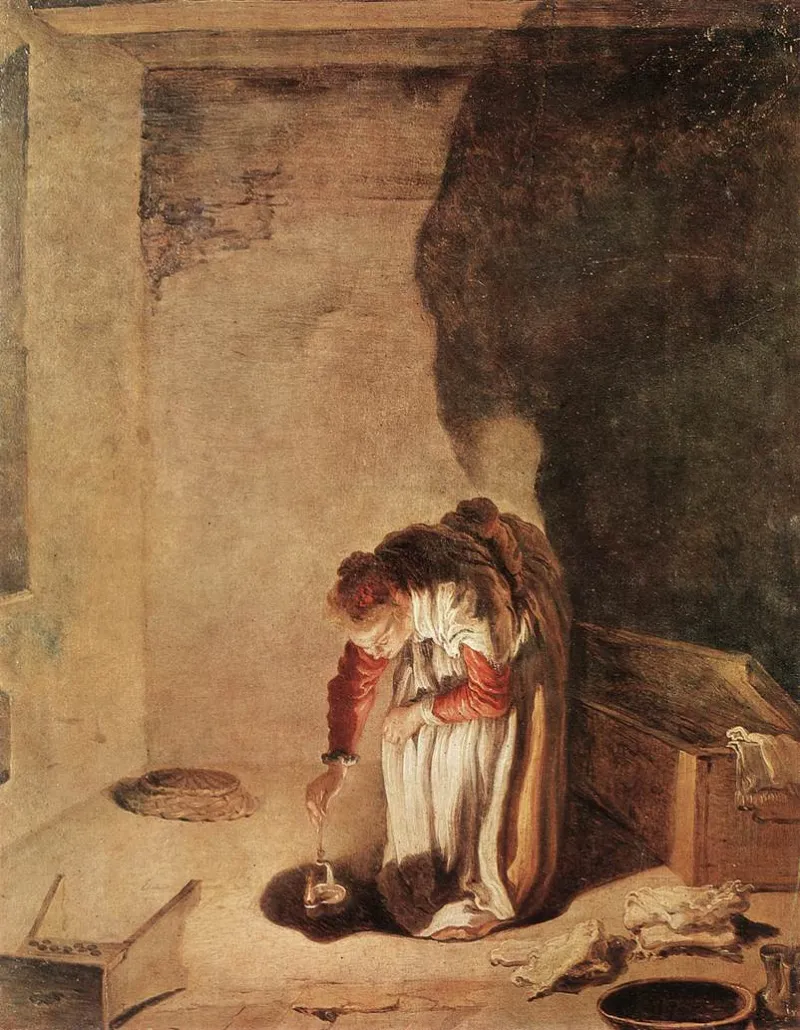
Photo: Domenico Fetti, Public domain, via Wikimedia Commons
The box lives by the door at most village halls. You know the one. A shoebox with a slit in the lid, or a plastic tub with a handwritten label that says LOST PROPERTY in biro, usually with a date from three years ago underneath. At our community storytelling night this November, it filled up faster than I expected. By the time the last chair was stacked, it held a single red glove, a navy scarf, a small notebook with a shopping list on the first page and a child's drawing of a stage with a sun in the corner.
I sat on the floor by the radiator and went through it. Not because I had to, but because I wanted to. There is something oddly tender about a pile of things people have put down without meaning to. It is not a bin. It is not a lost-and-found in the official sense. It is a small, accidental archive of a night out.
What a left-behind glove actually tells you
The red glove was a left one. No name, no label beyond a washing instruction in French. Someone had clearly pulled it off to clap, or to hold a cup of tea, or to find a tissue, and then walked out into the November drizzle with one hand warm and one hand not. I have done this. Most of us have.
But the more I looked, the more the box stopped feeling like carelessness. A scarf left on the back of a chair usually means someone got too warm and relaxed enough to take it off. A notebook left open on a seat means someone was writing during the interval and got talking instead. A child's drawing left behind means a small person was comfortable enough to make something in the room, and then got distracted by biscuits or the promise of a lift home.
These are not failures of attention. They are evidence of ease. People leave things behind when they stop gripping their bags. That is the sort of room I want to make.
The bit after the show that nobody claps for
We spend a lot of time on the welcome. The lighting, the sign on the door, the first ten minutes, the tea urn. All of that matters. But the aftercare is where a lot of small events quietly fall down. Not because anyone is unkind, but because everyone is tired. The performers are packing up, the volunteers are stacking chairs, and the box by the door gets forgotten until someone finds it in January and wonders what to do with a single glove.
I have been that person. I have also been the person who left a scarf at a gig in a church hall and never saw it again. It was a good scarf. I still think about it. What I remember is not the show, which was excellent, but the slight deflation of realising, two days later, that I had no idea who to ask.
Returning something is a tiny act of hospitality. It says: you were here, and we noticed. It does not need to be a grand gesture. A text to the person who runs the hall, a photo of the glove on the village WhatsApp group, a note in the follow-up email. It is the same care as the welcome, just pointed the other way.
A low-cost routine that actually works
This is not a policy document. It is a shoebox and a bit of habit. But if you run small events, or tour work into other people's rooms, it helps to have a routine.
- Name a person, not a table. On the night, decide who is responsible for the box. It can be the front-of-house volunteer, the person on the door, or you. Just make sure it is a name, not an assumption that someone will sort it.
- Label by event, not by year. Write the event name and date on a strip of masking tape. A box that says NOV 2026 is useful. A box that says LOST PROPERTY is a mystery.
- Keep a simple log. A lined notebook in the box, with columns for item, date found, where it was found and what happened next. It takes two minutes and saves a lot of guessing.
- Photograph without names. A photo of a glove on a plain table is fine. A photo of a child's drawing with a name in the corner is not. Keep personal details out of public posts and group chats.
- Mention it before people leave. A line in the closing remarks, or a sign by the door, does more than a social post three days later. Say where the box is and who to ask.
- Set a 28-day rule. Keep things for four weeks. After that, unless it is valuable or identifiable, offer it to a local charity shop or clothing bank. Check with the venue first. Do not hold on to a mountain of odd gloves out of guilt.
- Return what you can. If you know who owns something, message them. If you do not, a post on the venue's page or the local community group is usually enough. For touring creatives, a small lost-property kit in the van is worth its weight: masking tape, a pen, a fold-flat box and a spare bag for anything damp.
The drawing on the wall
The child's drawing went home with a parent who emailed the next day. The notebook found its owner at the next coffee morning. The red glove is still in the box, waiting. The scarf went to the charity shop with the venue's blessing after four weeks, and I hope it is warm on someone else.
I have started leaving a sheet of paper and a few pencils by the door at our events. Not as an activity, exactly. More as an invitation. If a child draws the stage and leaves it behind, that is not a problem to solve. It is a small sign that the room was theirs for an hour.
The box by the door is not glamorous. It will never be in a funding report. But it is part of the work. The show is the bit people remember, and the aftercare is the bit that tells them they were looked after. A glove, a scarf, a drawing. Small things, returned with care. That is the job, really.