The Day After the Last Night: A Soft Landing Instead of a Collapse
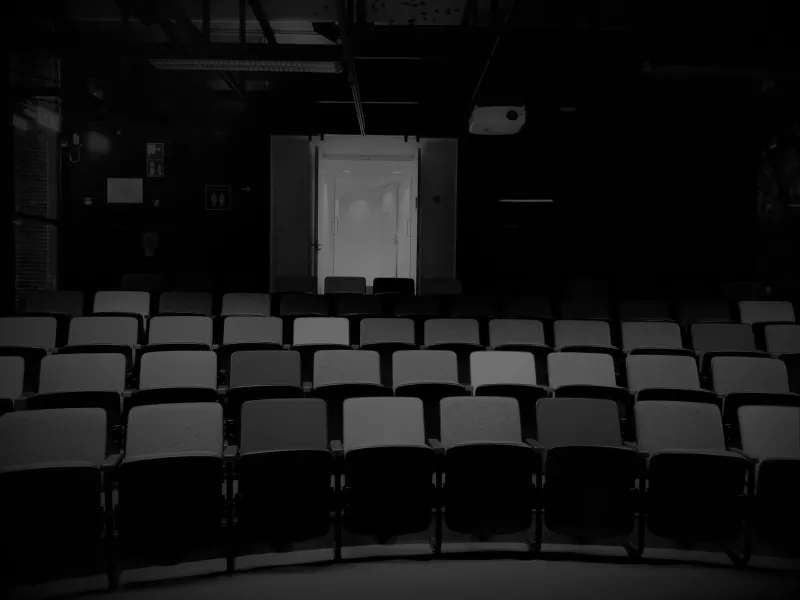
There’s a particular kind of silence that arrives the morning after a show closes. It isn’t peaceful. It’s the silence of a room that was full and isn’t any more. The kettle boils, the radio murmurs, and somewhere in the hallway there’s still a bag of cables you meant to sort out last night.
I’ve stopped pretending that silence is something to shake off quickly. For years I treated the day after a last night as a administrative limbo — a chance to catch up, answer emails, get ahead. What I actually did was crash. Not dramatically. Just quietly. The diary emptied, the adrenaline drained, and I found myself standing in the kitchen at eleven in the morning wondering what I was for.
That’s the after-show drop. It doesn’t get talked about much because it isn’t photogenic. There’s no curtain call for the flat feeling that follows a project. But it’s real, and it deserves a bit of care.
The Silence Is Not a Failure
When a show ends, the structure that held you up disappears overnight. For weeks you’ve had a reason to be somewhere at a certain time. You’ve had people to ring, lists to tick, a room to warm up. Then suddenly you don’t. The brain, still running on opening-night time, looks around for the next thing and finds a half-packed bag and a fridge with nothing in it.
I used to read that flatness as evidence that I hadn’t enjoyed the project enough, or that I was already behind on the next one. Neither was true. The drop is just the gap between one rhythm and another. It’s not a verdict on the work. It’s a nervous system doing its housekeeping.
Naming it helps. I now say to myself, out loud if necessary: this is the after-show drop, not the end of my usefulness. It sounds obvious. It still works.
A Walk, Not a Post-Mortem
The first thing I do now — before I open a laptop, before I answer a single message — is go for a walk. Not a long one. Twenty minutes around the block, or along the rec if the weather’s behaving. The point isn’t exercise. It’s to let the show settle without picking at it.
A post-mortem has its place, but the morning after the last night isn’t it. If I start listing what went wrong while I’m still tired, I confuse fatigue with judgement. I become convinced the whole thing was a shambles because one microphone squeaked in the second half.
On the walk, I don’t analyse. I notice things. The smell of a bonfire, the Christmas lights going up far too early in the high street, the fact that my shoulders have come down from somewhere near my ears. By the time I get home, the show has stopped feeling like an emergency and started feeling like something that happened.
The Box of Notes
There’s a shoebox on top of my wardrobe that has become a small ritual. Into it go the scraps that would otherwise get lost: the running order with coffee rings on it, a note from a audience member, a post-it that says “DON’T FORGET THE TEA URN” in my own handwriting. Nothing precious. Just evidence.
A few days after a project ends, I sit on the floor and go through it. Not to grade myself. To remember. I write a single page: what worked, what I’d change, what I want to carry forward. No more than that. The page goes in the box too.
The box has become a record of things that actually happened, which is more useful than the version in my head that insists I’ve never finished anything. When the next project gets wobbly, I can open it and see that I have been here before and the lights did come on.
Three Messages, No More
One of the quietest cruelties of a project ending is how quickly the group chat goes silent. People who were part of your daily life for a fortnight vanish back into their own. That’s normal. It’s also a bit sad.
I try to send three messages in the week after the last night. One to the person who held the practical stuff together — the one who found the extension lead, made the tea, remembered the key. One to whoever took a risk on the project, even if the risk was just saying yes to a date. And one to a collaborator or volunteer just to say I’m glad they were there.
That’s it. Three messages. Not a grand reunion, not a formal thank-you letter that takes a week to write. Small, specific, human. It closes a loop without demanding anything back.
Permission to Do Nothing
Here’s the bit I still find hardest: I give myself one day. A proper day, ideally within the first week after a show closes, where I do nothing useful. No planning, no emails, no “just tidying up the files.” I read something frivolous. I watch a film in the afternoon. I make a meal that takes too long.
It feels wasteful. It is also the most reliable way I’ve found to stop the drop turning into a slump. The day isn’t a reward for the show. It’s part of the show’s landing gear.
If a whole day feels impossible, take an afternoon. If an afternoon feels impossible, take an hour with your phone in another room. The point is to let the engine cool before you ask it to start again.
The Landing Is Part of the Work
We talk a lot in this industry about getting shows up. We talk less about bringing them down gently. But the ending is part of the making. The tidying up, the quiet mornings, the box of notes and the three messages — none of it is glamorous. It’s just the work of finishing well.
So if you’re reading this the day after your own last night, with a bag of cables by the door and a strange flatness in your chest, I hope you’ll be kind to yourself. The applause stopped. The room emptied. The project is over. And you are still here, which is its own kind of beginning.
Give it a soft landing. You’ve earned one.