The Welcome Before the Welcome: Making a Room Feel Expectant
Photo: Joegoauk Goa, CC BY-SA 2.0, via Wikimedia Commons
There is a particular minute before a small show begins. The chairs are out, the tea urn is muttering to itself, and someone is standing by the door pretending to read a poster. I have spent a lot of time in that minute. It is the bit where an audience decides, quietly, whether they are early or whether they are in the way.
Hospitality usually gets filed under front-of-house admin. I think it is closer to dramaturgy. The door policy is part of the art.
Start at the pavement, not the programme
A lot of community spaces in the UK are hard to read from the outside. Is this the right door? Is the hall through the church annexe or round the back by the bins? Is the pub back room upstairs? If your audience has to solve a small puzzle before they hear a word, you have already spent some of their goodwill.
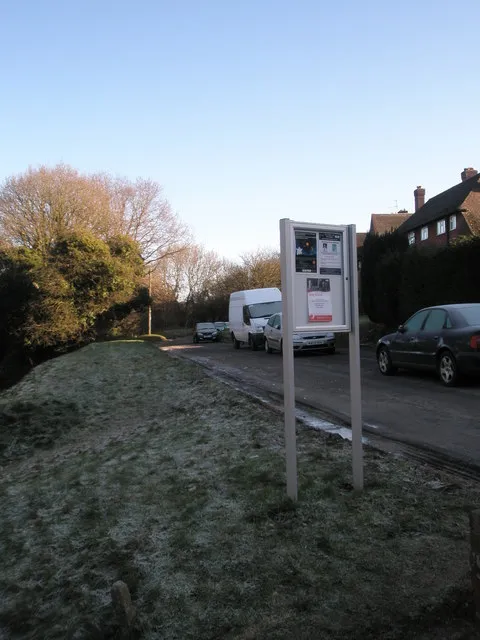
A decent temporary sign is not glamorous, but it is generous. A board or laminated sheet at eye level, with the name of the event, the date and a plain sentence like 'You are in the right place. Come through the blue door.' That last bit matters. It does the job of a host standing on the step without requiring anyone to stand on the step.
If there is an accessible entrance, say where it is. If the lift is round the side, say that. If the loo is downstairs, say that too, ideally before people have to ask. Information is not a spoiler. It is a form of welcome.
Ticket wording is a tiny script
Most ticket confirmations read like a receipt: admission, time, venue, done. That is fine, but it is not the whole story. A small event can use those few lines to set the tone.
Instead of just 'Doors 7pm', try 'Doors at 7. We'll start around 7.30. Come early if you want to settle in, or slip in quietly if you're running late.' Instead of 'No refunds', try 'If something changes, let us know and we'll do what we can.' Instead of 'Strictly no admittance after 8', think about whether that rule is actually necessary or whether it is just easier to police.
None of this means overpromising. It means writing the ticket as if a person will read it in a hurry on a bus. Small clues add up: whether there is a bar, whether card payments work, whether the room will be dark, whether there is a interval, whether people usually stay afterwards.
The awkward minute before the show
The pre-show lull is where good intentions often go to die. People stand in clusters. Someone reads the same leaflet three times. The performer is behind a curtain, breathing. The host is not sure whether to break the ice or leave everyone alone.
You do not need a forced mixer. You need a small, low-stakes job for the room. A welcome table with a map and a pot of pens: 'Draw a line from where you've come from.' A stack of index cards: 'Write down a song you'd put on the interval playlist.' A bowl of badges: 'Take one if you want to be spoken to. Leave one if you'd rather not.'
These are not gimmicks if they are optional. The point is to give people something to do with their hands and a reason to look up. It also gives the host a natural thing to talk about when they say good evening, rather than launching into a speech.
Design a quiet corner and mean it
Not everyone wants to be in the thick of it. Some people arrive alone. Some are neurodivergent, some are older, some have had a long day, some simply do not want to make small talk by the tea urn. A quiet corner is not a failure of atmosphere. It is part of the atmosphere.
It can be two chairs away from the main huddle, with a clear sightline to the performance area and a sign that says something like 'Quiet corner. No need to explain.' Put water there. Put a box of tissues there. Make sure it is not blocking a fire exit, obviously, but also make sure it is not tucked away like a punishment.
At one community centre I worked in, the quiet corner was simply a bench by the window with a notice: 'This bench is for taking a breather. You can still see and hear everything.' People used it. Nobody made it weird.
The speech you do not need to give
A long welcome speech is often a sign that the information has not been written down. If people already know where the loos are, how long the show is, whether there is a break and whether they can leave and come back, the opening can be brief.
Five lines is plenty: thank you for coming, here is the shape of the evening, here is where things are, here is when we will stop, and here is how to find us afterwards. Say it warmly. Then get on with it.
The phrase I keep coming back to is 'you are expected'. Not 'you are admitted'. Not 'you are permitted'. Expected. As in, we thought about you before you arrived. We saved you a chair. We put the sign out. We know the room is a bit echoey and we have done what we can.
A small kit for a welcoming room
- A laminated sign for the street, with an arrow and a plain instruction.
- A second sign inside, at the point where people hesitate.
- Ticket wording that says what will happen, not just what is forbidden.
- A quiet corner with water and a no-explanation sign.
- A welcome table with one optional, low-stakes prompt.
- A five-line opening, written down and rehearsed.
- A named person on the door who knows the answer to 'where is the loo?' and 'can I sit at the back?'
None of this requires a huge budget. It requires someone to imagine standing in the doorway for the first time. That is the work. The rest is blue tack and a laminator.
When the lights go up, the welcome has already happened. That is the point.