When the Timetable Calls the Curtain: Planning a November Workshop Around the 9:42
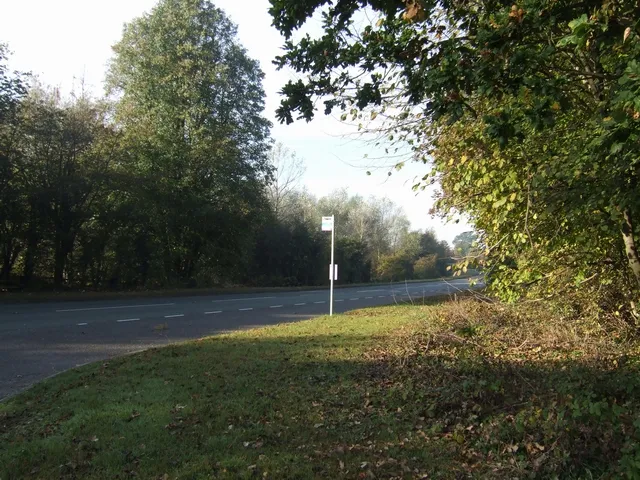
Photo: John M, CC BY-SA 2.0, via Wikimedia Commons
There is a particular kind of quiet in a village hall at twenty past nine on a wet November evening. The tea urn is still ticking. Someone is folding a chair. And somewhere outside, a bus is already making its way towards the stop by the war memorial, whether we are finished or not.
That bus — the 9:42 — became the real director of our work-in-progress night this month. Not in a dramatic, everyone-panic way. More in the way a good stage manager quietly moves the furniture: firmly, kindly, and without asking whether you'd prefer a different plan.
We had booked the hall for the evening. We had a running order. We had a small cast of ideas and a room of people who had given up their Tuesday to come and look at them. What we did not have, until quite late in the planning, was a proper conversation about how everybody was getting home.
The bus that doesn't wait
I don't drive. I have made my peace with this, mostly, but it does mean I notice transport in a way that people with cars often don't have to. When I was putting the evening together, I checked the bus times for my own journey and thought, right, that works. What I did not do — and this is the bit I keep coming back to — was ask whether it worked for anyone else.
One of the performers lives two villages over. The last bus from our hall to her stop leaves at 9:42. If she misses it, there is no later one. There is a taxi number that may or may not answer, and there is a friend who might be free, and there is a long walk along a road with no pavement. None of those are good options to leave someone holding at half nine on a dark night.
So we changed the shape of the evening. We moved the start earlier. We cut the interval to a single tea-and-biscuit pause rather than a full break. We put the longer pieces first and the shorter, rougher experiments after. And we told everyone, in the reminder email and again at the door, that we would be finished by 9:15 — not 9:30, not 'around nine-ish'. Fifteen minutes is not much in the grand scheme of a creative project. It was everything to the person who needed to be at that stop.
What the timetable knew before I did
Planning backwards from the last bus is not the same as planning a shorter event. It is a different way of thinking about time. When you start with the final departure, you begin to see all the invisible labour that sits around an evening: the coat-collecting, the goodbyes, the walk to the stop, the wait in the cold. You stop treating the event as the bit inside the hall and start treating the whole journey as part of the thing you are making.
It also makes you honest about your running order. We had a piece that we all loved, but it needed a long, slow build. In the original plan it sat near the end, which would have meant finishing at 9:35 and hoping for the best. Moving it earlier felt like a compromise at first. Actually, it was better. The room was warmer and more attentive. The people who needed to leave early got to see it. The people who stayed didn't have to watch the clock on behalf of anybody else.
There is a lesson here about hidden assumptions. Most creative planning defaults to the car. We talk about 'doors at seven' as if everyone arrives by magic and leaves the same way. We schedule feedback sessions for after the show, forgetting that the after is exactly when the buses stop. We put the most interesting conversation at the end, then wonder why the same faces are always in the room for it.
Accessibility isn't a footnote
I have been guilty of treating access as a list of adjustments — a ramp, a hearing loop, a large-print programme — rather than as a way of designing the whole thing. Transport is part of that list, but it is also part of the creative question. Who gets to stay for the discussion? Who gets to be in the photograph? Who gets to say yes to the second half of the evening without worrying about the first bus in the morning?
For this November project, the answer was simple: we made the last bus a fixed point and built the evening around it. We put the bus times on the poster. We asked people at booking whether they needed a lift or a walking companion to the stop. We kept a small budget for a taxi for anyone who got stuck. We didn't make a fuss about it. We just made it normal.
The unexpected bonus was that the evening felt calmer. Nobody was watching the clock in a anxious way, because the clock had already been invited into the room. We knew what we were working with. The last bus stopped being a threat and became a kind of co-host.
A small change that changed the room
I keep thinking about the moment after the final piece. Usually, there is a scatter of applause, a rush for coats, a few people hovering by the door. This time, there was a different rhythm. People knew they had time for one more biscuit. Someone asked a question that would normally have been swallowed by the exit. The performer who needed the 9:42 was able to leave without apology, and the rest of us stayed for another ten minutes because we could.
That is not a huge, systemic change. It is not going to fix rural transport or arts funding or the fact that the last bus is often the only bus. But it is the kind of small, practical adjustment that makes a room feel like it was built for everyone in it, rather than just the people who drove there.
Next time, I will ask about journeys before I book the hall. I will put the last departure in the first planning email. I will stop pretending that the event ends when the applause does. The timetable is not an admin detail. It is a creative constraint, and like most constraints, it has something useful to tell you if you are willing to listen.
The 9:42 left on time. We were ready for it. That felt like a small win worth keeping.