The Person With the Key: Five Lessons From Village Halls That Changed How I Make a Show
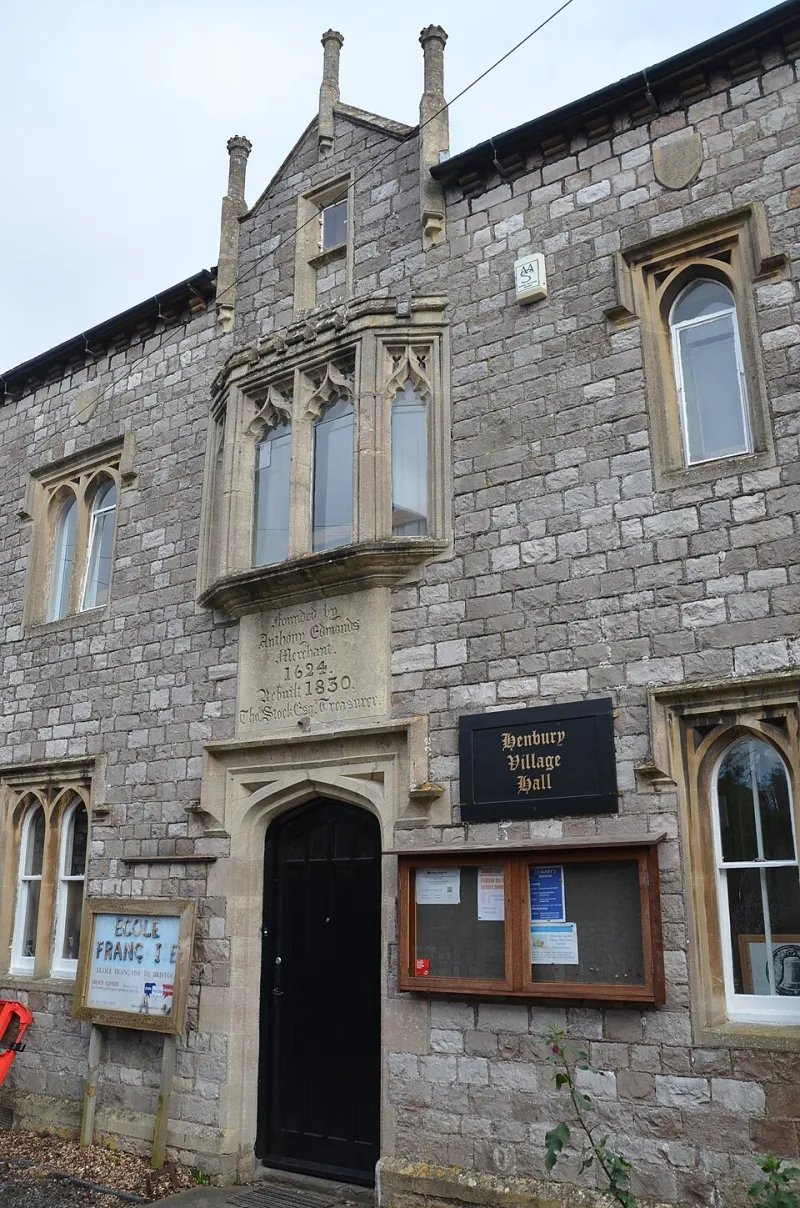
Photo: Hamburg103a, CC BY-SA 4.0, via Wikimedia Commons
I have spent enough mornings on the phone to village hall booking clerks to know that the real work of making a show often happens before anyone buys a ticket. You ask about the stage depth and they ask whether you need the urn. You mention your audience numbers and they mention the parking situation. It is not the glamorous end of project news, but it is where the show actually starts.
Over the last few years I have taken small pieces to community halls, church rooms, scout huts and one memorial hall with a very serious noticeboard. Each time, the person with the key — sometimes the booking clerk, sometimes the caretaker, sometimes the chair of the hall committee — has told me something about my own show that I had not worked out yet. Here are five of those lessons.
1. The room will edit your show for you
A village hall is not a neutral box. It has pillars in surprising places. It has a low ceiling, or a high one with a heater hanging off it. It has windows that turn into black mirrors after dark and a floor that slopes just enough to make a chair wobble.
When you arrive, the room starts editing. You find out which bits of the show need to be bigger, which need to be quieter, and which need to be cut because they only worked in your head. The booking clerk will often say something like, 'You won't want to be behind the pillar there,' and they are right. They have watched forty different acts try to ignore the pillar. The pillar always wins.
So now I ask for a look at the room before I finalise anything. I take a photo from the back row. I stand where the audience will sit and see what they will see. The show is not just what I do; it is what the room allows.
2. The caretaker's timetable is part of the set
There is no point having a beautiful ending if the caretaker needs the hall back at ten. The get-in, the get-out and the half-hour in between are not admin. They are part of the show.
I have learned to ask three questions early: when can we get in, when does the hall need to be empty, and is there anything happening before us that might overrun. A booking clerk will tell you the truth about the timetable because they have seen what happens when a group ignores it. They know the local choir needs twenty minutes to clear the piano. They know the scout group leaves chairs in a particular stack. They know the heating takes an hour to warm up and the kitchen urn takes twenty minutes to boil.
Respecting that timetable makes the show better. It forces me to design a set that can be put up and taken down by two people without a drama. It forces me to leave room for the audience to leave slowly, find their cars, and say goodnight. A show that ends by 9.30 can still feel generous. A show that runs late because the performer did not check the caretaker's clock feels like a small act of rudeness.
3. Comfort is not a compromise
At a village hall, comfort is part of the creative experience. If the chairs are cold, the audience is cold. If the toilets are hard to find, people are thinking about the toilets. If the signing is bad, they are not thinking about the work.
I used to think this was the venue's job. Now I think it is part of mine. I ask where the signs will go. I ask if we can put a lamp near the entrance. I ask whether the tea urn will be on afterwards and whether that means people will stay and talk. The booking clerk usually knows exactly which arrangement works. They have seen the difference between a room that feels welcoming and a room that feels like a rehearsal space with chairs.
This is not about turning a show into a coffee morning. It is about removing the small frictions that stop an audience from settling. A warm room, a clear sign and a decent cup of tea are not the opposite of serious work. They are the conditions for it.
4. The person with the key knows your audience better than your marketing plan
The booking clerk or caretaker often has a clearer picture of who actually turns up than any audience profile I could write. They know the local retired teachers, the young families, the people who come because their neighbour is on the committee, and the people who will not come out on a wet Tuesday whatever you put on the poster.
I have learned to ask them who usually comes to things like this. Not to change the work to suit a fictional average audience, but to understand the room. One clerk told me that the hall always gets a good crowd for anything with a local name in it. Another told me that the early dark means people prefer a Saturday afternoon to a Friday night. That is not marketing. That is local knowledge, and it is worth more than a slogan.
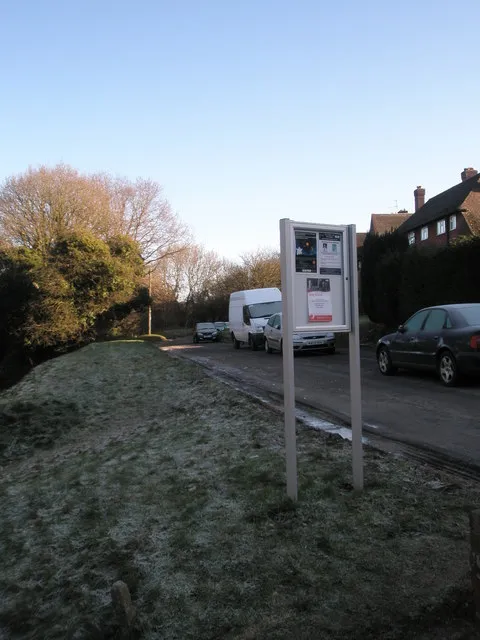
The person with the key also understands the small practical things that make a marketing plan real: where the poster can go, which noticeboard gets read, whether the parish newsletter still lands on doormats, and whether the Facebook group is actually used by anyone under sixty. Ask them. Listen. Then make your plan.
5. Leave the hall better than you found it
The last lesson is the simplest and the one I keep relearning. Stack the chairs the way they were stacked. Put the tables back where the tape says. Take your rubbish with you. Thank the caretaker by name. Send the booking clerk a note afterwards that says what worked and what you would do differently.
Small venues run on goodwill. The person with the key is not an obstacle between you and your show. They are part of the reason the show can happen at all. If you treat the hall as a partner rather than a hire fee, you will make better work and you will be asked back.
And that is the real project news: the show is not only the hour on stage. It is the phone call, the timetable, the tea urn, the sign by the door and the person who locks up afterwards. Get those right and the work has a much better chance of being seen.